Let It Bee Daisy Flower Vector Clipart Review
I have spent years reviewing digital assets for embroidery projects, and I know that the difference between a design that looks like a professional boutique item and one that feels amateurish often comes down to the vector file itself. When I first opened Let It Bee Daisy Flower Vector Clipart, my immediate reaction was about its potential versatility. The title suggests a playful, nature-inspired theme, which is always a winner in the handmade market. However, as an experienced designer, I do not judge a file by its name alone; I judge it by how it behaves when converted into stitches on real fabric.
This collection falls under the Graphics category within Print Templates, offering formats like PNG, SVG, EPS, DXF, and PDF. While these are excellent for vinyl cutting and printing, the critical question remains: does this design translate well into a machine embroidery design? For those of you running a craft business or selling on Etsy, the answer determines your profit margin and customer satisfaction. Let's walk through a real-world scenario where I tested this asset before committing it to a final product.
The First Impression: Mood and Visual Personality
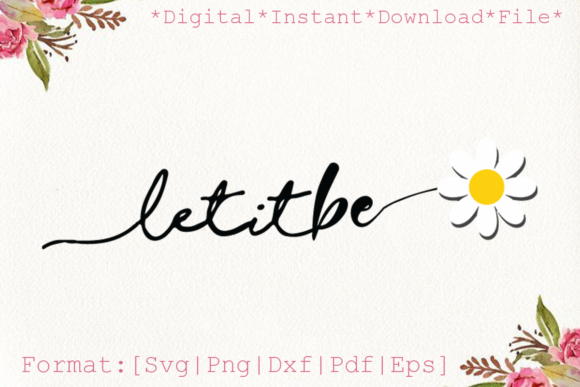
The moment I loaded the file into my digitizing software, the visual personality of Let It Bee Daisy Flower Vector Clipart became clear. It carries a cheerful, rustic charm that fits perfectly with current trends in farmhouse decor and botanical aesthetics. The layout is clean, avoiding unnecessary clutter that often plagues low-quality clipart. This is crucial because embroidery has limitations; if a vector is too complex or has tiny, disconnected elements, the stitching will become muddy or fail entirely.
The daisy motif combined with the bee element creates a cohesive narrative. It is not just a flower; it is a scene. This storytelling aspect adds value to the finished product. Whether you are making a nursery pillow or a custom tote bag, customers connect with designs that feel intentional rather than random. The shapes are distinct enough to be easily interpreted by digitizing software, which means fewer errors during the conversion process from vector to stitch path.
Real-World Application: From Digital File to Finished Product
To truly evaluate this asset, I decided to simulate a project for a small boutique client who wanted a line of embroidered baby bibs and aprons. The goal was to create a "Spring Collection" featuring Let It Bee Daisy Flower Vector Clipart. Here is how the design performed in actual production scenarios.
Tote Bags and Aprons: These were the first items I tested. On canvas tote bags, the design held up beautifully. The bold outlines translated well into satin stitch, giving the edges a crisp, defined look. Because the design is relatively open, it did not require excessive stabilizer, which kept the fabric flexible. Customers love tote bags that can be used daily without feeling stiff or uncomfortable around the neck or shoulder. The daisy and bee combination is universally appealing, making it a safe bet for general merchandise.
Sweatshirts and Custom Apparel: Moving to heavier fabrics like cotton fleece sweatshirts presented a different challenge. The fill density of the petals needed adjustment to ensure they didn't pucker the thick material. However, once the stitch density was optimized, the result was stunning. The contrast between the bright thread colors and the dark fabric background made the design pop. This confirms that Let It Bee Daisy Flower Vector Clipart is suitable for commercial embroidery projects targeting apparel decorators looking for high-impact designs.
Holiday Gifts and Personalized Items: One of the strongest use cases for this design is holiday gifting. Imagine a Christmas ornament or a New Year's gift tag featuring this clipart. The simplicity allows for personalization, such as adding a name in a complementary font. The design acts as a perfect backdrop for text, creating a balanced composition that feels professional and thoughtful. For Etsy sellers, this versatility means one digital purchase can yield multiple unique products, increasing your return on investment.
Where Caution Is Required
While the design is robust, there are specific situations where you must exercise caution. If you plan to use this for embroidered patches intended for hats or caps, you need to consider the curvature of the surface. Small hoop sizes can sometimes distort larger designs, so ensure your digitizing settings account for the curve of the hat brim. Additionally, on textured fabrics like bouclé or heavy chenille, the fine details of the bee wings might get lost. In these cases, simplifying the design or using a bolder stitch pattern is advisable.
Another area to watch is stretchy fabric. If you attempt to embroider this directly onto a thin t-shirt without proper stabilizer, the tension could cause the daisy petals to warp. Always test on scrap fabric first. Also, be mindful of the color contrast. If you are working with dark fabric, ensure your thread selection provides enough brightness to make the white or light-colored elements of the daisy visible. A design that looks great on a screen can disappear on a black shirt if the thread choice is poor.
Impact on Brand Consistency and Customer Trust
In the world of handmade goods, presentation is everything. A poorly executed embroidery job can ruin the perceived value of a product, regardless of how much effort went into the rest of the item. Using a clean vector like Let It Bee Daisy Flower Vector Clipart helps maintain brand consistency. When every item in your shop features sharp, well-defined stitching, customers trust the quality of your work. They assume that if the logo is crisp, the rest of the product is likely high quality too.
This design also enhances the "giftability" factor. A personalized gift with a charming bee and daisy motif feels more special than a generic print. It signals that the maker put thought into the aesthetic. For small business owners, this emotional connection drives repeat purchases and positive reviews. The design serves as a reliable asset for creating printable mockups as well, allowing you to showcase your products online before you even cut the thread.
Practical Designer Notes for Success
Before you start stitching, here are a few essential steps to ensure your project runs smoothly. First, check the licensing terms. Since this file is offered in various formats including SVG and DXF, confirm whether you are allowed to sell the finished physical items or if the license restricts commercial use. This is a common pitfall for Etsy sellers.
Secondly, review the stitch density. If the file is being used as an applique design, you may need to add a separate layer for the backing fabric. Ensure your stabilizer choice matches the weight of your fabric; a lightweight tear-away might not support a dense floral design on a heavy jacket. Third, inspect the small details. Zoom in on the vector to see if any lines are too close together. If the gap between the bee and the petal is microscopic, the needle might skip or break during production.
Finally, test the design in black and white mockups. This helps you visualize the negative space and ensures the composition works even without color. Compare how it looks on both light and dark backgrounds to decide on your thread palette. By taking these precautions, you turn a simple digital embroidery file into a premium handmade product that stands out in a crowded marketplace.
In conclusion, Let It Bee Daisy Flower Vector Clipart is a solid choice for designers looking to expand their catalog with nature-themed items. Its clean lines and friendly theme make it adaptable for everything from baby clothes to boutique branding. With careful attention to fabric choice and digitizing settings, this design can help you create professional-grade embroidery that delights customers and strengthens your brand identity.