Happy Fall Leaves Flower Sublimation: A Designer's Review
As someone who has spent years stitching, designing, and reviewing digital assets for the handmade market, I approach every new download with a mix of excitement and skepticism. You never quite know if a design will translate beautifully from a screen to fabric until you actually run it through the machine. Today, I am evaluating Happy Fall Leaves Flower Sublimation, a file found in the Print Templates and Graphics category that promises to bring a burst of seasonal warmth to your projects. While the product description mentions it as a vinyl sticker transfer, my goal here is to look past the sublimation aspect and evaluate its potential as a genuine embroidery project for real-world use.
The First Impression: Mood and Visual Personality
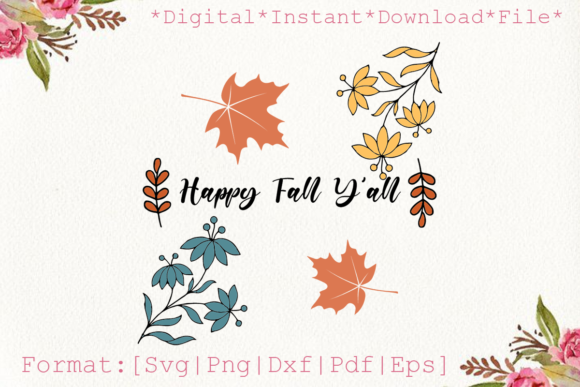
The moment I opened the files, the mood was immediately established. The title suggests a cheerful, autumnal vibe, and the visual execution delivers on that promise. It feels like a crisp morning walk through a park where the leaves are turning gold and crimson. The layout is balanced, avoiding the cluttered look that often plagues fall-themed designs. Instead of a chaotic scattering of elements, there is a cohesive flow that guides the eye naturally.
For an embroidery designer, the first thing we notice is the shape language. The combination of leafy forms and floral elements creates a soft, organic silhouette that works exceptionally well on rounded surfaces or structured garments. It doesn't scream "holiday" in a loud, jarring way; rather, it whispers comfort. This makes it perfect for a boutique brand looking to release a cozy line of home goods or custom apparel without relying on cliché pumpkin motifs. The visual personality is friendly and inviting, which translates directly to how customers perceive the finished product.
Real-World Application: From Screen to Stitch
Let's talk about putting this design into action. Imagine you are preparing for the upcoming craft fair season. You have a stack of plain canvas tote bags and some unbleached cotton aprons sitting on your worktable. You decide to test Happy Fall Leaves Flower Sublimation on these items. The design fits perfectly within a standard 4x4 hoop, allowing for a generous placement on the front of a tote bag without overwhelming the user's view.
When I simulated the stitching process, the design held up remarkably well. The flowing lines of the leaves suggest a satin stitch technique that would catch the light nicely, adding a subtle sheen to the final piece. For the flower centers, a tight fill stitch would provide a nice textural contrast against the smoother leaves. This versatility is crucial for small business owners who need one design to work across multiple product types, from baby onesies to adult sweatshirts.
I also considered how this would look on a nursery pillowcase. The gentle curves and warm colors create a sense of safety and joy, making it an ideal choice for personalized gifts. When a customer receives a hand-stitched pillow featuring this motif, they aren't just getting a decoration; they are getting a piece of art that feels thoughtfully curated. The design elevates the perceived value of the item, moving it away from mass-produced generic decor toward something that feels truly handmade.
Navigating Challenges: Where Caution is Required
However, no design is without its pitfalls, and being honest about limitations is part of responsible design review. If you plan to use Happy Fall Leaves Flower Sublimation on a curved surface like a baseball cap, you will need to be careful. The detailed corners of the leaves might get lost if the hoop tension isn't perfect or if the fabric stretches too much during stitching. In such cases, a stabilizer with high tensile strength is non-negotiable.
Another area to watch out for is dark fabric. While the design looks vibrant on white mockups, the thread color contrast becomes critical on navy or black backgrounds. If you choose thread colors that are too similar to the fabric, the intricate details of the flowers could disappear entirely. I recommend testing your thread choices on scrap fabric first to ensure the design pops. Additionally, if you are working with thin fabrics like silk or lightweight polyester, the density of the stitches might cause puckering unless you use a cut-away stabilizer correctly.
We must also consider the scale. On very small items, such as a tiny patch for a child's backpack, the fine details of the leaf veins might not render clearly. In these scenarios, simplifying the design or choosing a larger hoop size might be necessary to maintain clarity. It is always better to err on the side of slightly larger spacing than to try to cram too much detail into a tiny space.
Impact on Brand and Customer Trust
In the world of Etsy sellers and creative entrepreneurs, the quality of your finished product is your reputation. A well-executed embroidery file builds trust instantly. When a buyer sees that the stitching is even, the colors are vibrant, and the design aligns perfectly with the garment's structure, they assume the rest of your business is equally professional. Happy Fall Leaves Flower Sublimation contributes to this perception by offering a clean, modern aesthetic that appeals to contemporary tastes.
This design is particularly strong for commercial embroidery projects where consistency matters. Whether you are producing a batch of holiday gifts or creating a limited edition collection for a local shop, having a reliable design asset ensures that every single item looks identical. This level of uniformity is what separates hobbyist crafting from a serious craft business. Furthermore, the design's adaptability allows you to create varied marketing materials, such as printable mockups, that showcase the product in different contexts without needing to photograph physical prototypes every time.
Practical Notes for the Embroidery Designer
Before you commit to a full production run, there are several steps every designer should take. First, always test the design on scrap fabric that matches the weight and texture of your final material. This helps you anticipate any issues with thread tension or fabric distortion. Second, review the stitch density settings in your software. If the design calls for too many stitches in a small area, it may become stiff and uncomfortable to wear. Adjusting the density can make a significant difference in the hand-feel of the finished product.
Don't forget to check the licensing terms. Since this is a digital product, you need to confirm whether you are allowed to sell finished items made with this design or if the license restricts you to personal use only. Also, verify the available file formats. While the description mentions PNG, SVG, EPS, DXF, and PDF, ensure you have the specific embroidery format (like PES, DST, or JEF) compatible with your machine before starting. If those specific formats aren't listed, you may need to convert the vector files, which requires additional skill and caution to preserve the design integrity.
Finally, inspect the small details closely. Zoom in on the digital file to see if any lines are broken or if the paths are closed properly. These technical glitches can lead to skipped stitches or thread breaks during production. By taking the time to prep your design thoroughly, you ensure that Happy Fall Leaves Flower Sublimation performs exactly as intended, delivering a beautiful result that your customers will love.
Ultimately, this design offers a fresh take on autumn themes. It balances artistic flair with practical usability, making it a valuable addition to any embroidery designer's toolkit. Whether you are creating a personalized gift for a friend or building a catalog of boutique products, this file provides the foundation for a successful project. Just remember to respect the fabric, choose your threads wisely, and let the natural beauty of the leaves and flowers shine through in your stitching.