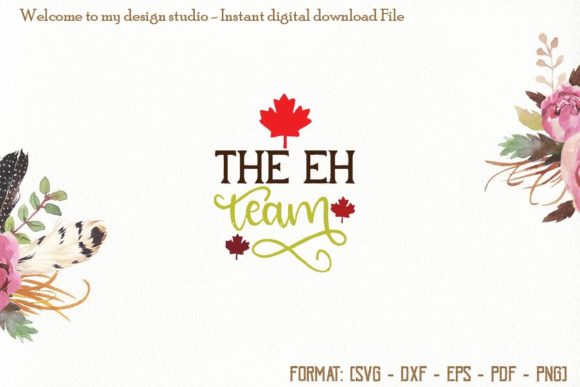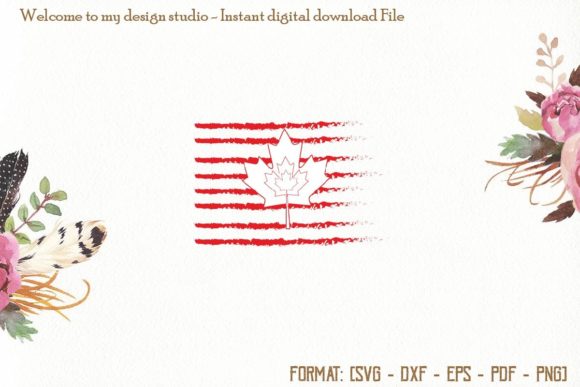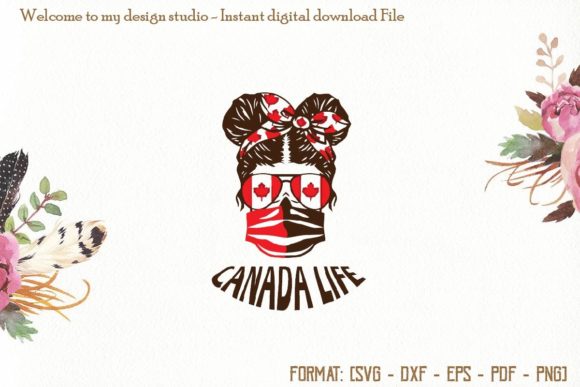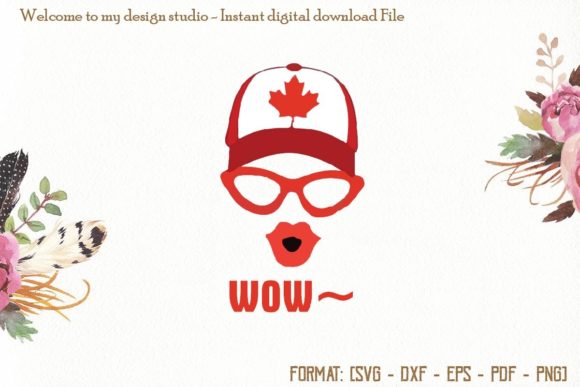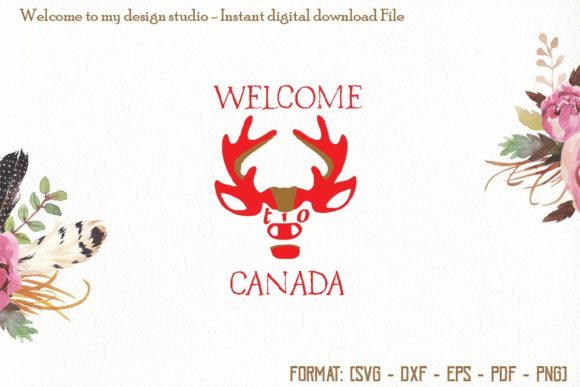
Welcome to Canada Svg, Canada Day Svg Review
When I first opened the folder for Welcome to Canada Svg, Canada Day Svg, my initial thought wasn't about the file formats or the technical specs. It was about the feeling it evoked. There is a specific kind of energy that comes with patriotic designs, and this one strikes a balance between festive pride and approachable warmth. As someone who has spent years turning digital files into tangible, stitched products, I know that a design's true value lies in how it translates from a screen to a needle.
This isn't just another generic clipart; it feels like it belongs on a well-worn tote bag at a summer market or the chest pocket of a cozy sweatshirt during a July celebration. In this review, I am stepping away from the standard product description to look at Welcome to Canada Svg, Canada Day Svg through the lens of practical application. How does it hold up when the hoop goes down? Will your customers love it, or will they find it too busy? Let's dive into the real-world performance of this graphic asset.
The First Stitch: Visual Personality and Mood
The layout of Welcome to Canada Svg, Canada Day Svg suggests a design intended for broad appeal. The typography usually carries the weight here, setting a tone that is welcoming rather than aggressive. For an embroidery designer, the mood is everything because it dictates the thread colors you will choose. This design naturally calls for classic reds, crisp whites, and perhaps a deep navy or black for contrast, though it can easily adapt to pastels for baby items.
Visually, the design feels clean enough to work on small surfaces but detailed enough to justify a larger placement. It avoids the trap of being too "loud," which allows it to fit seamlessly into boutique branding or handmade gift collections. Whether you are creating a custom apparel piece for a local business or a personalized gift for a neighbor, this design acts as a versatile anchor. It signals celebration without screaming for attention, making it perfect for clients who want to show their spirit subtly yet proudly.
Real-World Application: From Screen to Stitch
Let's imagine a scenario where you are preparing inventory for a small shop. You have a batch of high-quality canvas tote bags ready for the upcoming holiday season. You decide to use Welcome to Canada Svg, Canada Day Svg as the central motif. The beauty of this design lies in its adaptability. On a tote bag, the design can be placed centrally or off-center, offering a modern, asymmetrical look that appeals to younger buyers.
I also see immense potential in using this file for baby clothing. A soft onesie or a knitted hat embroidered with this design creates an instant heirloom quality. The text is likely legible even at smaller scales, provided the stitch density is managed correctly. However, if you are planning to put this on a cap or a curved surface, you need to be strategic. Curved surfaces like baseball caps require careful digitizing adjustments to ensure the text doesn't pucker or distort. If the original file includes a flat version of the design, it might be safer to embroider the main graphic on a patch first and then attach it to the hat, rather than stitching directly onto the curve.
For commercial embroidery projects, such as aprons for a local bakery or kitchen towels for a holiday gift set, this design adds a touch of personality that mass-produced items lack. Customers today are looking for authenticity. When they see a handmade product featuring a well-executed Welcome to Canada Svg, Canada Day Svg, they perceive higher value. It transforms a simple kitchen towel into a keepsake. Similarly, for Etsy sellers, this design serves as a strong visual hook in listings, promising a high-quality finished product that aligns with current trends in personalized goods.
Where to Proceed with Caution
While the design is robust, no single file is perfect for every situation. As an experienced reviewer, I must highlight where Welcome to Canada Svg, Canada DaySvg might present challenges. If you are working with very small hoop sizes, such as those used for cufflinks or tiny patches, you need to scrutinize the lettering closely. Tiny details often get lost in the fabric weave, especially if the stitch density is too high.
Textured fabrics, like heavy denim or boucle wool, can sometimes swallow fine lines. If the design relies on thin strokes or intricate corners, these areas may not render clearly on rough textures. Furthermore, stretchy fabrics like jersey or spandex blends require a stabilizer that matches the stretch of the material. Without proper support, the tension from the satin stitches could cause the garment to warp, ruining the professional look of the final product.
Dense stitch areas are another consideration. If the design includes large blocks of fill stitch, it can become stiff and uncomfortable, particularly on children's clothing or lightweight summer shirts. In these cases, switching to a lighter fill technique or adjusting the underlay might be necessary. Also, if you plan to wash the item frequently, ensure that the thread choice is colorfast and that the design is secure enough to withstand agitation. Dark fabrics can make white text difficult to read unless the thread count is sufficient to cover the background completely.
Impact on Brand and Customer Trust
In the world of handmade commerce, presentation is half the battle. A well-stitched Welcome to Canada Svg, Canada Day Svg elevates the perceived professionalism of your brand. When a customer receives a gift or purchases a product, the clarity of the embroidery speaks volumes about your attention to detail. Blurry edges, loose threads, or poor alignment can undermine trust, while crisp, clean stitching reinforces the idea that you care about quality.
This design supports brand consistency by offering a recognizable theme that ties together various product lines. Whether you are selling digital embroidery files, printable mockups, or physical merchandise, having a cohesive aesthetic helps customers identify your shop. It also enhances giftability; people are more likely to buy a product that looks polished and thoughtful. By choosing a design that balances style with wearability, you increase the likelihood of repeat business and positive reviews.
Practical Designer Notes for Success
Before you commit to a full production run, there are essential steps every designer should take. First and foremost, test the design on scrap fabric. This is non-negotiable. You need to see how the thread interacts with the specific fabric you intend to use. Check the thread color contrast immediately after stitching; sometimes a color that looks vibrant on a monitor appears dull once stitched.
Review the stitch density settings in your digitizing software. If the design is too dense, it will be stiff; if it is too sparse, it may look unfinished. Confirm the hoop size required to accommodate the design without cutting off any elements. Inspect small details closely, ensuring that letters and shapes are distinct and not merging together. It is also wise to test the design in black and white mockups to verify that the composition works regardless of color.
If you are unsure about the exact specifications, such as the total stitch count or specific machine compatibility, check the source documentation from the store. Do not guess. Ensure you have the correct license terms before selling finished items or distributing the digital files. Using the right stabilizer is crucial for maintaining the shape of the design, especially on challenging materials. Finally, compare the design on both light and dark backgrounds to ensure versatility. By following these practical steps, you ensure that Welcome to Canada Svg, Canada Day Svg delivers the high-quality results your customers expect.