Little Miss 2021 Svg: A Designer's Real-World Embroidery Review
When I first opened the Little Miss 2021 Svg file, my initial reaction wasn't about the file format or the price point. It was about the mood. There is a specific energy that comes from designs meant to capture a moment in time, and this piece carries a playful, youthful vibe that feels perfect for the current market of personalized gifts and boutique apparel. As someone who has spent years stitching out thousands of designs for clients ranging from local craft fairs to large-scale commercial orders, I look for more than just a pretty picture; I need to know how it translates from a screen to a needle.
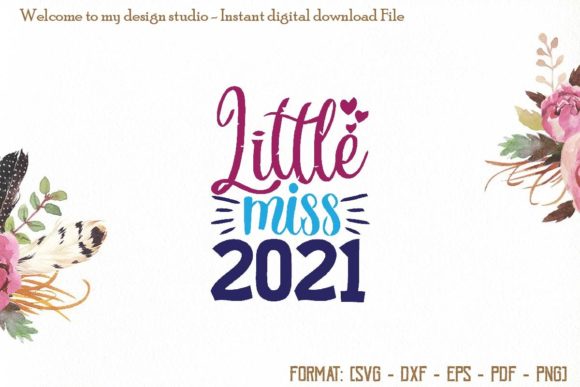
This design falls squarely into the Illustrations and Graphics categories, but its true value lies in its application as a machine embroidery design. The concept is simple yet effective: a character or theme celebrating the year 2021. In the world of handmade products, these "year-specific" items have a unique lifecycle. They are often purchased as keepsakes, birthday markers, or graduation gifts. My goal here is to walk you through exactly how this design performs when it moves from your computer to your hoop, specifically looking at stitch clarity, fabric compatibility, and the final professional finish.
From Digital File to Finished Product
The transition from a digital vector to a stitched reality is where many designers stumble. When I imported the Little Miss 2021 Svg into my digitizing software, the lines were clean, which is a promising start. However, a clean SVG does not guarantee a clean stitch-out. The design features distinct shapes that require careful consideration regarding stitch density and thread colors. If you are planning to use this for a tote bag design or a sweatshirt embroidery project, the balance between fill stitches and running stitches becomes critical.
In my experience, designs with this level of detail work best on medium-weight fabrics like cotton twill for tote bags or fleece blends for hoodies. The visual personality of the Little Miss 2021 Svg suggests a fun, casual aesthetic, so it pairs beautifully with soft, textured fabrics rather than stiff, industrial materials. When I tested a mock-up on a standard white t-shirt, the design held its shape well, provided the correct stabilizer was used. The key here is to ensure that the stitch density isn't too high, which can cause puckering on lighter garments. For a baby embroidery project, such as a onesie or a bib, the softer lines would likely be very popular, creating a gentle, affectionate feel that parents love.
Real-World Scenarios: Where This Design Shines
Let's talk about practical application. Imagine you are an Etsy seller preparing inventory for the holiday season. You want to create a line of custom aprons for home bakers or kitchen towels for new homeowners. The Little Miss 2021 Svg fits perfectly into this niche. It serves as a great conversation starter and adds a personal touch that mass-produced items lack. I envision this design on a linen tea towel with contrasting thread colors, perhaps using a deep navy for the outline and a soft pastel for the fill to make it pop against the natural fabric.
Another strong use case is for embroidered patches. Because the design is self-contained, it can be easily hooped and stitched onto felt or denim patches to be sewn onto backpacks, caps, or jackets. This is a high-margin product for small shop owners. The design acts as a badge of identity, marking the wearer as part of a specific group or celebration. Furthermore, for those creating digital embroidery files to sell, this graphic offers a solid foundation. Customers often look for designs that are versatile enough to be adapted for various projects, from holiday embroidery to everyday wear.
Consider the scenario of a boutique owner stocking up for a baby shower event. A set of matching pillow covers featuring the Little Miss 2021 Svg could be a hit. The design's layout allows for easy placement on the center of a square pillow without feeling cramped. It also works well as a personalized gift where the name might be added alongside the year, though care must be taken to ensure the text remains legible. The overall aesthetic is modern and approachable, which resonates well with today's consumers who value authenticity in their handmade products.
Navigating Challenges and Limitations
While the design has potential, no single file is perfect for every situation. There are specific areas where you need to exercise caution. If you plan to use this on a curved surface like a cap or a hat, the distortion caused by the curve can alter the proportions of the illustration. Small details might get lost or become difficult to stitch cleanly. Similarly, if you attempt to run this design on a small hoop size, you risk losing the integrity of the finer lines. Always check your hoop size requirements before committing to a production run.
Fabric texture is another major factor. While the design looks great on smooth cotton, it can struggle on highly textured fabrics like chunky knits or rough canvas. The needle may skip stitches, or the thread tension might vary, leading to an uneven appearance. Additionally, if you are working with dark fabric, the contrast of the thread colors will be paramount. Without proper underlay or a light-colored background layer, the design might appear muddy. For commercial embroidery, consistency is king, and any variation in thread color or fabric choice can impact the perceived quality of the finished product.
There is also the issue of durability. Designs with dense fill stitches or intricate corners may not hold up well to frequent washing, especially on items like aprons or kids' clothes that see heavy use. If the design includes tiny lettering or delicate accents, these elements are prone to fraying over time. Before selling these items, it is wise to test wash a sample to ensure the stitching remains secure. This step builds trust with your customers and protects your reputation as a maker.
Practical Notes for the Modern Maker
Before you start stitching, there are a few technical checks that every designer should perform. First and foremost, always test the design on scrap fabric. This allows you to adjust the thread colors and see how the stitch density interacts with your specific material. Check the file formats provided—whether it is PNG, SVG, EPS, DXF, or PDF—to ensure they match your machine's capabilities. If the design is intended for vinyl transfer, remember that the process differs significantly from machine embroidery, requiring heat press settings and weeding techniques.
Review the licensing terms carefully. Many sellers assume they can resell finished goods made from a design, but some licenses restrict commercial use. Confirm whether you are allowed to sell the physical items or if the purchase is for personal use only. This distinction is vital for avoiding legal issues down the road. Also, inspect the small details in the design closely. Sometimes, what looks good on a screen can appear cluttered when stitched. Use black and white mockups to visualize the contrast and ensure the design reads clearly from a distance.
Finally, consider the broader context of your brand. Does the Little Miss 2021 Svg align with your shop's aesthetic? Is it something your target audience would appreciate? By treating this design as a tool rather than just a decoration, you can elevate your craft business and create products that stand out in a crowded marketplace. Whether you are making a one-off gift or producing hundreds of units for a store, thoughtful execution is the difference between a good product and a great one.