Hello Fall Pumpkin and Buffalo Plaid Car Review
As a designer who has spent years stitching everything from delicate baby bonnets to heavy-duty workwear, I know that the difference between a good project and a great one often comes down to the design itself. Recently, I pulled Hello Fall Pumpkin and Buffalo Plaid Car into my workflow to see if it could stand up to real-world embroidery demands. It is not just another seasonal graphic; it is a specific visual asset that needs careful consideration before hitting the hoop. This review breaks down exactly how this piece performs when you are trying to create something tangible for your customers or your own craft business.
The First Impression: Mood and Visual Personality
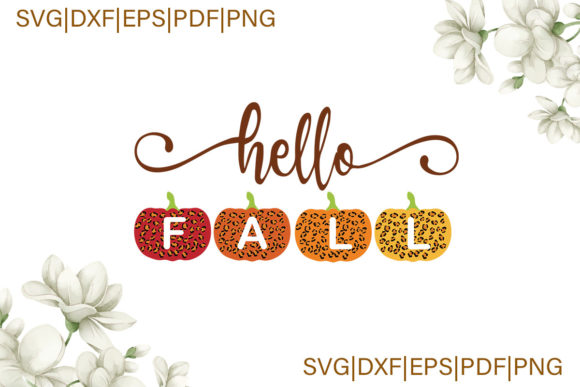
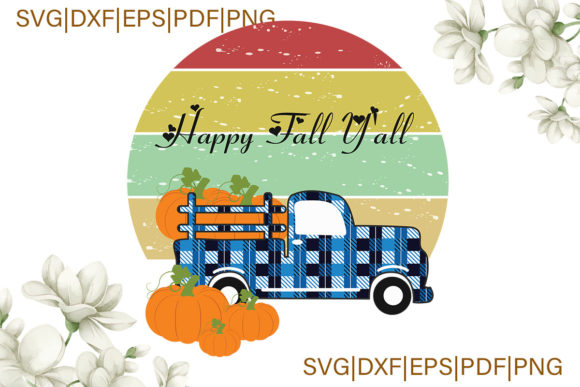
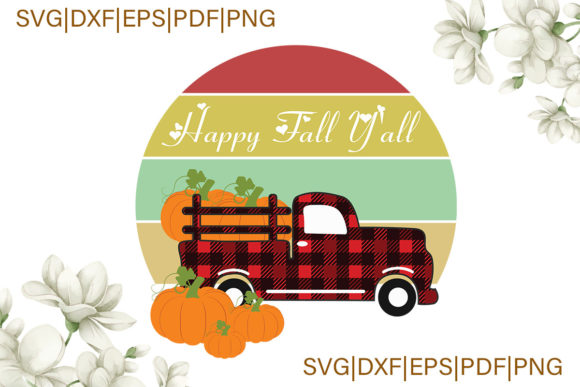
When you first open the file for Hello Fall Pumpkin and Buffalo Plaid Car, the immediate feeling is one of cozy, rustic nostalgia. The combination of a pumpkin motif with buffalo plaid patterns taps directly into the autumn aesthetic that sells so well in the handmade market. Unlike generic clip art, this design feels curated. It carries a playful energy that works perfectly for fall-themed apparel, but it also holds enough sophistication to fit into boutique branding.
The layout suggests a design that is meant to be a focal point. Whether you are looking at this as an applique design or a standard satin stitch piece, the shapes are distinct. The visual personality is warm and inviting, which is crucial for products like holiday gifts or nursery decor. However, the complexity of the plaid pattern requires a steady hand and the right machine settings. If the lines are too thin, they might disappear into the fabric texture. If they are too bold, they might overwhelm a small tote bag design. The balance here is key.
Real-World Application: From Tote Bag to Sweatshirt
I put Hello Fall Pumpkin and Buffalo Plaid Car through a series of test runs to simulate actual production scenarios. The first project was a custom embroidered tote bag for a local coffee shop. The goal was to create a reusable shopping bag that felt artisanal and seasonal. Because the design features strong geometric elements from the plaid, it held up exceptionally well on canvas. The contrast between the pumpkin shape and the checkered pattern created depth without needing excessive fill stitches.
Next, I tested it on a heavyweight sweatshirt. This is where the density of the embroidery file matters most. On a thick cotton blend, the design sat flat and crisp. The buffalo plaid sections translated beautifully, giving the garment a textured look that mimics actual fabric. However, I noticed that on a softer, stretchy jersey fabric, the tension needed to be adjusted slightly to prevent puckering. This is a common issue with any dense machine embroidery design on stretchy materials.
For smaller items, like a baby onesie or a cap, the scale becomes a critical factor. While the design is charming, the fine details of the plaid might get lost if the hoop size is too small. I found that for a personalized gift like a baby item, the design works best when simplified or placed strategically on a larger panel of the garment. For a cap, the curved surface can distort the straight lines of the plaid unless you use a specialized cap frame and high-quality stabilizer.
Where to Exercise Caution
Not every product is a perfect match for Hello Fall Pumpkin and Buffalo Plaid Car. As an experienced reviewer, I need to highlight where this design might struggle. One area of concern is textured fabrics. If you are working with a boucle wool or a heavily napped fleece, the sharp edges of the pumpkin and the grid lines of the plaid may not register clearly. The thread might get caught in the fibers, leading to a messy finish.
Dense stitch areas are another potential pitfall. If the design includes large blocks of solid color filled with tight satin stitches, it can become stiff and difficult to press flat. This is particularly important for commercial embroidery projects where comfort is a selling point. Additionally, dark fabrics require a careful selection of thread colors. A light-colored pumpkin against a black background might lack definition if the underlay isn't set correctly. Always test your thread colors on scrap fabric before committing to a full run.
Small details are also worth scrutinizing. If the original Graphics file contains tiny lettering or intricate corner details, these might break apart during the digitization process or get lost in the final stitch. For a digital embroidery file intended for mass production, clarity is king. If the design relies on subtle gradients or very thin lines, it might be better suited for vinyl cutting rather than traditional stitching.
Impact on Product Value and Brand Trust
In the world of Etsy sellers and small shop owners, the quality of your finished product dictates your reputation. A well-executed Hello Fall Pumpkin and Buffalo Plaid Car design elevates the perceived value of the item. When a customer receives a tote bag or a pillow cover with clean, precise stitching, they associate that quality with your brand. It signals professionalism and attention to detail.
Conversely, a poorly stitched version can damage trust. If the plaid looks jagged or the pumpkin shape is distorted, buyers may question the durability of the entire product. This is why testing is non-negotiable. A consistent, high-quality finished product leads to repeat customers and positive reviews. The design's ability to convey a specific mood—cozy, festive, rustic—directly influences buyer engagement. It makes the item feel like a thoughtful handmade product rather than a mass-produced commodity.
Practical Designer Notes for Success
To ensure your next project with Hello Fall Pumpkin and Buffalo Plaid Car is a success, follow these practical steps. First, always test the design on scrap fabric that matches the weight and texture of your final material. This allows you to catch issues with stitch density or thread tension early. Second, inspect the small details closely. Are the corners of the plaid sharp? Is the text legible? If the design is for an embroidered patch, ensure the edge finishes are secure.
Check your hoop size carefully. If the design is larger than your machine's standard hoop, you will need to reposition the fabric, which can lead to alignment issues. Use the proper stabilizer for your fabric type; a cut-away stabilizer is usually best for woven fabrics like canvas or cotton, while a tear-away might suffice for stable knits. If you are creating a tote bag design for sale, consider how the design will age after washing. Dense stitching can sometimes cause the fabric to shrink unevenly, so pre-washing your materials is a smart move.
Finally, confirm your licensing terms before using this design for commercial purposes. While many digital assets allow for resale of finished goods, some have restrictions on the number of units or specific uses. Verify whether the Illustrations provided are royalty-free for commercial use or if there are limitations on small business merchandise. Comparing light and dark fabric backgrounds in your mockups can also help you visualize the final result and adjust your color palette accordingly.
By treating Hello Fall Pumpkin and Buffalo Plaid Car with the same scrutiny you would apply to any professional design asset, you ensure that your final output meets the highest standards. Whether you are crafting a unique holiday embroidery piece or stocking your online store with seasonal favorites, this design offers a versatile foundation for creativity. Just remember that the magic lies not just in the file, but in the execution.