Glossy African Plaid Lips Review
When I first opened the file for Glossy African Plaid Lips, my immediate reaction wasn't about the technical specs, but rather the vibe it projected. It feels like a bold statement piece that bridges the gap between streetwear aesthetics and traditional craft. As someone who has spent years evaluating designs for client projects and my own handmade shop, I know that a successful embroidery file needs to do more than just look good on a screen; it needs to hold up under the needle and deliver value in the real world. This design brings a unique energy that could elevate a simple tote bag or turn a plain t-shirt into a conversation starter.
First Impressions and Design Personality
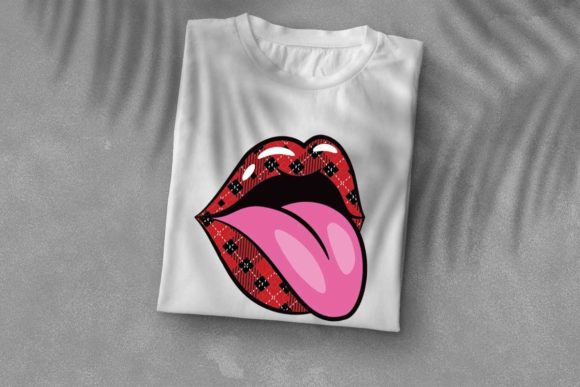
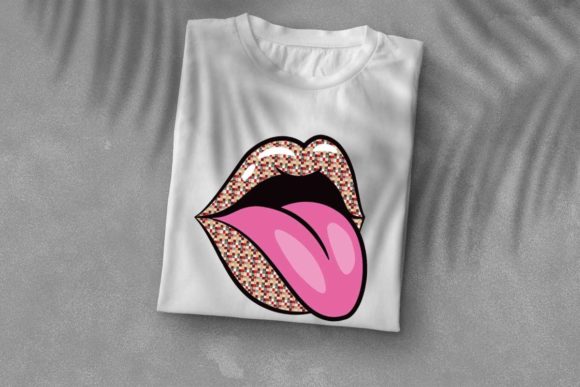
The visual personality of Glossy African Plaid Lips is striking. The combination of plaid patterns with the organic shape of lips creates an interesting tension between structure and fluidity. In the context of Print Templates and Graphics, this file stands out because it offers a texture that mimics fabric within the digital art itself. When translated into thread, this translates to a rich, layered look that can add significant depth to a project.
I imagine this design immediately finding a home on custom apparel items where confidence is key. The "glossy" aspect suggests a sheen that works beautifully with satin stitches, while the plaid pattern invites creative fill stitch techniques. It feels less like a generic clip-art image and more like a curated design asset intended for serious makers. For an Etsy seller or small business owner, this kind of distinct visual identity is crucial for building brand recognition and standing out in a crowded marketplace.
Real-World Application: A Case Study
To truly understand how Glossy African Plaid Lips performs, let's look at a practical scenario. Imagine you are preparing a batch of custom embroidered tote bags for a local boutique market. You want something that catches the eye without being overwhelming. You decide to use this design as the central focal point on a heavy canvas tote.
Because the design features a plaid pattern, it requires careful consideration of thread colors. If you choose high-contrast threads, the plaid will pop vividly against the canvas, creating a vibrant, modern accessory perfect for holiday gifts or summer festivals. However, if you opt for tonal threads, the design takes on a more subtle, sophisticated tone suitable for professional settings or corporate swag. The versatility here is impressive, allowing the same embroidery file to serve multiple product lines depending on your color choices.
I also see potential in using this design for baby items, such as a bib or a onesie. The playful nature of the lips combined with the classic plaid makes it gender-neutral yet stylish. It adds a touch of whimsy to nursery decor or personalized gifts that parents would appreciate receiving. The design's clarity ensures that even when stitched on smaller garments, the details remain legible and charming.
Navigating Technical Challenges
While the aesthetic appeal is undeniable, every experienced designer knows that beauty must be paired with feasibility. There are specific scenarios where Glossy African Plaid Lips requires extra caution. For instance, attempting to stitch this on a curved surface like a baseball cap can be tricky. The plaid pattern might distort slightly if the hoop placement isn't precise, potentially ruining the geometric integrity of the design.
Similarly, textured fabrics pose a challenge. If you try to embroider this on a thick, bouclé wool or a rough burlap, the fine details of the lips might get lost in the weave. Thin or stretchy fabrics, like lightweight jersey, require a robust stabilizer solution to prevent puckering. Without proper support, the dense areas of the plaid could pull the fabric down, leading to a messy finish that detracts from the professional look you want to achieve.
Another critical factor is the size of the design relative to the hoop. If you attempt to fit this into a very small hoop, the intricate corners of the plaid might not render well, resulting in a loss of definition. It is essential to review the hoop size requirements before committing to a final production run. Additionally, dark fabrics present their own set of hurdles; you may need to use a tear-away backing or a sticky stabilizer to ensure the light-colored threads stand out clearly against the background.
Stitch Density and Thread Selection
The success of Glossy African Plaid Lips often hinges on the balance between satin stitch and fill stitch. The plaid sections will likely rely heavily on fill stitches to create the pattern, while the outline of the lips might benefit from a crisp satin stitch. If the stitch density is too high, the fabric could become stiff and uncomfortable, especially for wearable items like sweatshirts or aprons. Conversely, if the density is too low, the design might appear sparse and lack the desired impact.
Choosing the right thread colors is equally important. High-quality polyester or rayon threads will bring out the glossy effect better than cheaper alternatives. Testing different color combinations on scrap fabric is a non-negotiable step in my workflow. You might find that a metallic thread accentuates the glossiness of the lips, adding a premium feel to the finished product.
Impact on Product Value and Branding
In the world of craft business and Etsy sellers, the quality of your design directly influences customer trust. A well-executed embroidery project signals professionalism and attention to detail. When customers receive a personalized gift or a boutique product featuring Glossy African Plaid Lips, they should feel confident in the craftsmanship.
This design has the potential to enhance the perceived value of your items. Whether you are selling finished goods or offering digital embroidery files as part of a collection, the uniqueness of the pattern sets you apart. It allows for consistent branding across various products, from tote bag designs to sweatshirt embroidery. The cohesive look helps build a recognizable style that buyers can associate with your shop.
Practical Designer Notes for Success
Before you hit the start button on your machine, there are several checks you must perform to ensure a flawless outcome. First and foremost, always test the design on scrap fabric that matches the texture and weight of your final material. This simple step can save you hours of frustration and wasted materials.
Review the stitch density carefully. If the design looks too dense, consider adjusting the settings or splitting the design into separate layers to reduce bulk. Confirm the hoop size fits your intended product dimensions perfectly. Inspect small details to ensure they are not too fine for the chosen thread thickness. It is also wise to test the design in black and white mockups to check contrast levels before investing in expensive threads.
If you plan to use this for commercial purposes, double-check the licensing terms. Ensure you have the rights to sell finished items made with this design or to distribute the digital embroidery file itself. Finally, verify that the file formats provided—such as PNG, SVG, EPS, DXF, and PDF—are compatible with your digitizing software and embroidery machine.
Glossy African Plaid Lips is more than just a pretty picture; it is a versatile tool for creative entrepreneurs. By understanding its strengths and respecting its limitations, you can create stunning handmade products that resonate with your audience. Whether you are designing for a personal project or scaling up for a small shop product line, this design offers a solid foundation for innovation and growth.