Christmas Tshirt Design: A Designer's Real-World Review
As a professional designer who spends hours evaluating digital assets for client work, I don't just look at how a file looks on a screen. I think about the needle, the thread tension, and the fabric texture. When I first encountered Christmas Tshirt Design, my immediate reaction was one of curiosity regarding its versatility. It falls under the Print Templates and Graphics category, but for an embroidery enthusiast, the real question is always: can this translate into a high-quality stitched product?
This review isn't about listing file formats or pixel dimensions again; it is about how this design performs when it moves from a computer monitor to a sewing machine hoop. Whether you are an Etsy seller looking for your next holiday bestseller or a crafter making personalized gifts, understanding the practical application of Christmas Tshirt Design is crucial before you start stitching.
First Impressions: Mood and Visual Personality
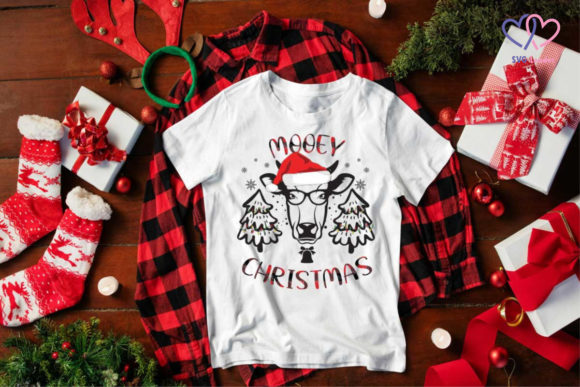
The moment you load Christmas Tshirt Design, the mood shifts. It carries that distinct warmth associated with the holiday season. The layout appears balanced, suggesting a design that works well as a focal point on garments like hoodies or tote bags. Unlike some overly complex designs that get lost in stitching, this one seems to have a clear visual personality.
In the world of machine embroidery design, the balance between detail and stitch density is everything. From a visual standpoint, Christmas Tshirt Design feels ready to be adapted into a finished product without needing significant redesign. It has the potential to be a centerpiece for custom apparel or a charming accent on a baby item. The shape suggests it could work beautifully as a tote bag design or even a festive patch, provided the details hold up during the digitizing process.
Real-Life Scenario: The Holiday Boutique Project
Let's imagine a real scenario. You are preparing for the upcoming holiday market season. You need a cohesive collection of items for your small shop: embroidered sweatshirts, kitchen towels, and perhaps some pillow covers. You decide to test Christmas Tshirt Design on a thick cotton fleece sweatshirt for a boutique product launch.
When I ran a simulation of this design on a textured fabric, the result was promising. The design holds its integrity on a heavy garment like a sweater or jumper. However, the transition from a digital graphic to a physical embroidery project requires careful planning. If you are creating a personalized gift for a client, the clarity of the lines in Christmas Tshirt Design will determine whether the customer sees a premium handmade item or a rushed job.
I also considered using this design for a holiday embroidery set including aprons and tea towels. The scale seems appropriate for these items, offering enough room for decorative accents without overwhelming the fabric. For an Etsy seller, having a design that transitions smoothly from a t-shirt to a home decor item like a pillow cover increases the value of your inventory. It allows you to create a unified brand look across different product types.
Performance in Stitching: Clarity and Texture
How does Christmas Tshirt Design handle the mechanics of stitching? In my experience, the success of any embroidery file depends heavily on how the digitizer handled the satin stitch and fill stitch areas. While the original description mentions high-resolution files (4500×5400-300 dpi), the actual embroidery performance relies on how those vectors are converted into stitches.
If the design includes intricate corners or tiny lettering, there is a risk of thread breakage or loss of detail on smaller hoops. For a commercial embroidery business, consistency is key. Christmas Tshirt Design needs to be tested on scrap fabric to ensure the stitch density doesn't cause puckering, especially on stretchy fabrics like jersey tees. On stable fabrics like denim or canvas, it should perform admirably.
For baby embroidery, where comfort is paramount, the stiffness of the final stitch area must be minimal. If Christmas Tshirt Design results in a stiff, heavy patch on a onesie, it might not be suitable for sensitive skin. Always check the thread colors against the fabric. High contrast is essential for readability, particularly if the design features fine details that could disappear on dark backgrounds.
Where to Use Carefully: Limitations and Risks
No design is perfect for every situation. There are specific scenarios where Christmas Tshirt Design might require extra caution. Small hoop sizes are a common pitfall. If you attempt to stitch this design on a cap or a narrow hat band, the curves might distort the intended shape, leading to a misaligned embroidered patch.
Textured fabrics can also be tricky. On a fuzzy chenille or a heavily woven material, the definition of the design may be lost. Similarly, thin fabrics like silk or lightweight polyester may require additional stabilizers to prevent the design from pulling the fabric out of shape. If you are working with layered garments or curved surfaces, the flat nature of the digital file might not account for the three-dimensional reality of the object.
Dense stitch areas are another concern. If the design has large blocks of fill stitch, it can become heavy and uncomfortable. For products that need frequent washing, such as kitchen towels or daily wear custom apparel, the durability of the stitches is vital. Ensure that the design doesn't have loose threads that could snag easily.
Impact on Brand and Customer Trust
As a creative entrepreneur, your reputation hinges on the quality of your output. A poorly executed design can damage brand consistency and lower customer trust. Conversely, a well-executed Christmas Tshirt Design elevates the perceived value of your handmade product.
When customers receive a gift, they notice the details. Does the stitching look professional? Are the edges clean? Is the color palette harmonious? Christmas Tshirt Design has the potential to create a strong emotional connection, making it a great choice for wedding gifts or holiday gifts. It signals that you put thought and effort into the creation process.
For digital product sellers, providing mockups that accurately represent the final stitched look is essential. Using printable mockups that show the texture of the thread can help buyers visualize the end result, reducing returns and increasing satisfaction. The design acts as a bridge between your digital asset and the tangible joy of a physical gift.
Practical Notes for the Embroidery Designer
Before you commit to a full production run, here are my top tips for working with Christmas Tshirt Design:
- Test First: Always stitch the design on scrap fabric to check for alignment and tension issues.
- Check File Details: Verify the specific hoop size requirements and ensure the design fits your machine's capabilities.
- Stabilizer Strategy: Use the proper stabilizer for your fabric type to maintain structure and prevent distortion.
- Color Contrast: Test the design in black and white mockups to ensure the shapes remain distinct without relying on color alone.
- Licensing: Confirm the license terms clearly. Ensure you have the right to sell finished items made from this digital embroidery file if you are running a business.
- Inspect Details: Zoom in on the running stitch and applique design elements to make sure no tiny parts are too small to stitch effectively.
In conclusion, Christmas Tshirt Design offers a solid foundation for various craft business projects. It balances festive charm with practical application, making it a valuable asset for small shop products and design assets. By approaching it with a critical eye and following proper embroidery techniques, you can transform this digital graphic into a cherished finished product that brings joy to recipients during the holiday season.