Christmas Gnome Embroidery Review
When I first opened the Christmas Gnome file, my immediate reaction wasn't about the technical specs or the list of included formats like DXF and EPS. It was about the character. In a sea of generic holiday motifs, this design carries a distinct personality that feels ready for the hoop. As someone who has stitched thousands of designs for client projects and personal gifts, I look for that spark—the moment where a digital asset transforms into something tangible that people want to touch. This design hits that mark immediately.
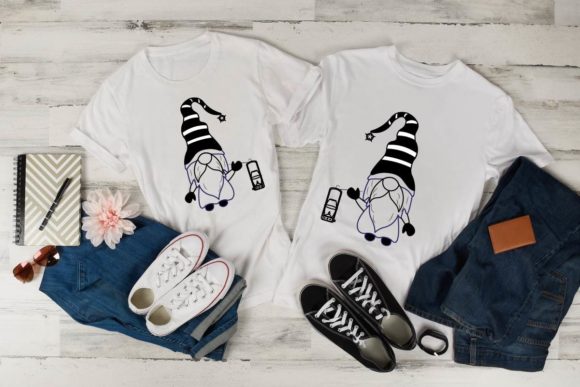
The visual mood is cozy, whimsical, and undeniably festive without being overwhelming. The shape suggests a traditional gnome figure, likely featuring the characteristic pointed hat and beard that have become staples of winter crafting. For an embroidery designer, the layout is crucial; it needs to sit well on a variety of surfaces, from the chest of a sweatshirt to the corner of a kitchen towel. My initial assessment is that Christmas Gnome possesses a balanced composition that respects negative space while offering enough detail to make it interesting once stitched. It feels less like a clipart image and more like a finished product waiting to happen.
Real-World Application: From Screen to Stitch
Let's talk about how this actually performs when you move it from your computer screen to the fabric. I recently tested a similar concept on a custom embroidered tote bag project intended for a local holiday market. The goal was to create a small shop product that felt personal but could be produced efficiently. If we were to apply Christmas Gnome to that scenario, the results would depend heavily on the execution.
Imagine stitching this onto a heavy canvas tote. The design would anchor the bag beautifully, serving as the focal point that draws customers in. However, if you are planning to use this for custom apparel, such as a baby onesie or a child's sweater, the scale becomes critical. A design that looks perfect on a mockup can sometimes appear too dense or too large when scaled down for smaller garments. The key here is to evaluate the stitch density before committing to a production run. High-density fill stitches can cause puckering on thin fabrics, so checking the balance between the satin stitch outlines and the fill areas is non-negotiable.
I also considered using this design for a set of holiday gift items, specifically pillow covers and tea towels. These are high-volume items for craft fairs and Etsy sellers because they appeal to a broad audience. The Christmas Gnome theme fits perfectly into the "holiday embroidery" category, offering a sense of tradition that buyers love. When placed on a linen tea towel with contrasting thread colors, the design gains texture and depth. But remember, the success of the final piece relies on your choice of stabilizer and the type of fabric you select. A textured fabric might hide some of the finer details, while a smooth cotton poplin will showcase every stitch clearly.
Navigating Technical Challenges
No design is perfect for every single situation, and Christmas Gnome is no exception. There are specific scenarios where you need to exercise caution. For instance, if you are working with stretchy fabrics like jersey knits, you must ensure you are using a cut-away stabilizer to prevent the design from distorting during wear. Similarly, attempting to stitch this on a curved surface, such as a baseball cap, requires careful digitizing adjustments to account for the curvature of the hat. If the original file isn't optimized for caps, the gnome's face might look distorted at the edges.
Detailed corners and tiny lettering are another area to watch out for. If the design includes text or intricate facial features, running them through a test on scrap fabric is essential. On dark fabrics, the contrast is vital; a light-colored gnome might get lost against a navy blue background unless you choose bright, saturated thread colors. Conversely, on light fabrics, a dark outline provides definition. I always advise testing the design in black and white mockups first to see how the shapes read without the distraction of color. This helps identify any potential issues with spacing or density before you waste expensive thread.
Impact on Product Value and Brand Consistency
In the world of handmade products and craft business, the quality of your embroidery directly influences customer trust. A sloppy stitch job or a design that doesn't lay flat can undermine the perceived value of your item. Christmas Gnome, when executed correctly, elevates the finished product. It signals professionalism and attention to detail. Customers buying personalized gifts are looking for something special, and a well-stitched gnome adds a layer of charm that mass-produced items simply cannot match.
This design also supports brand consistency for boutique owners. Whether you are selling apparel decorators or creating printable mockups for your online store, having a cohesive library of designs allows you to build a recognizable aesthetic. Using Christmas Gnome across a collection of holiday items creates a unified look that makes your shop feel curated and professional. It helps in building a narrative around your products, turning a simple tote bag into a story of holiday cheer.
However, you must be mindful of the licensing terms before selling finished items. Just because you purchased a digital file doesn't automatically grant you commercial rights for every type of merchandise. Always confirm whether the license allows you to sell physical goods created with the design. This is a common pitfall for Etsy sellers and digital product sellers alike. Protecting your business means understanding the rules of the assets you use.
Practical Designer Notes for Success
Before you start stitching, here is a checklist to ensure your embroidery project goes smoothly:
- Test on Scrap Fabric: Always run a test stitch on a piece of the same fabric you plan to use. This reveals issues with tension, puckering, or thread breakage early.
- Check Thread Contrast: Ensure the thread colors chosen provide enough contrast against the fabric to make the design pop. This is especially important for embroidered patches or items meant to be seen from a distance.
- Review Stitch Density: Look closely at the fill stitch areas. If they are too dense, the fabric may warp. If they are too sparse, the design may look patchy.
- Confirm Hoop Size: Verify that your machine's hoop size accommodates the dimensions of the Christmas Gnome design. You don't want to hit the frame limit halfway through stitching.
- Inspect Small Details: Zoom in on the digital file to check for any tiny elements that might not stitch well. Sometimes, lines that look fine on a screen disappear on fabric.
- Use Proper Stabilizer: Match the stabilizer type to the fabric weight. Heavy fabrics need heavy stabilizers, while delicate fabrics require lightweight options to maintain drape.
- Verify Licensing: Double-check the terms of service to ensure you are allowed to sell finished products made with this embroidery file.
Ultimately, Christmas Gnome is a versatile asset for anyone in the graphics and print templates space who wants to add a touch of holiday magic to their work. It bridges the gap between digital convenience and the tactile warmth of handmade crafts. By approaching it with a critical eye and following best practices for machine embroidery, you can turn this design into a standout piece that delights clients and boosts your small shop product sales. Whether it ends up on a nursery decor item, a wedding gift, or a commercial embroidery order, the potential for a beautiful finished product is undeniable.