Alocacia Tree: A Designer's Review for Real Embroidery Projects
When I first opened the Alocacia Tree file, my initial reaction wasn't about stitch counts or hoop sizes. It was about the mood. There is something inherently calming yet bold about the broad, architectural leaves of an alocasia plant. In the world of embroidery, where we often struggle to translate complex botanical details into thread, this design feels like a breath of fresh air. It strikes a balance between organic flow and graphic simplicity that is rare to find in standard digital assets.
As someone who has reviewed countless designs for both personal hobbies and commercial client work, I approach every new download with a specific question: "Where does this actually live?" Does it look good stitched onto a baby onesie? Will it hold up on a heavy-duty tote bag? The Alocacia Tree makes a strong case for itself as a versatile centerpiece for a variety of handmade products. It carries a vibe of modern wellness, tropical retreats, and boutique gardening that resonates deeply with current market trends.
Visual Personality and First Impressions
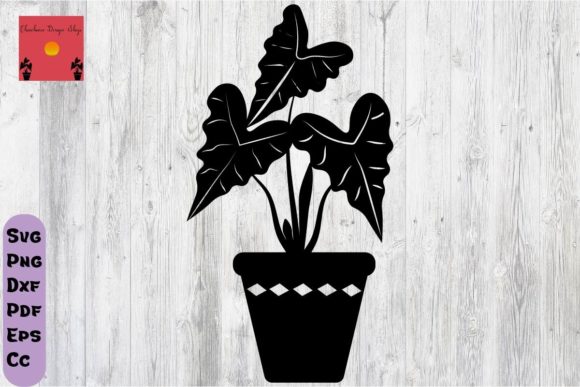
The visual personality of Alocacia Tree is defined by its sweeping lines and distinct leaf shapes. Unlike more intricate floral arrangements that can get lost in a sea of satin stitches, this design relies on negative space and clean outlines. It feels confident. When you place it mentally on a garment or accessory, it doesn't scream for attention; it commands respect through its silhouette.
This is not just a clipart image; it is a machine embroidery design waiting to be realized in thread. The layout suggests a natural flow, making it perfect for placements that follow the drape of fabric. Whether you are working with a fill stitch to create lush foliage or a crisp satin stitch for the edges, the design promises clarity. For the Etsy seller or small business owner, this kind of visual consistency is crucial. It elevates the perceived value of the finished product, signaling that the maker cares about aesthetic cohesion.
Real-World Application: From Digital File to Finished Product
Let's talk about a real scenario. Imagine you are preparing a custom order for a local yoga studio or a boutique coffee shop. They want a set of embroidered aprons and tote bags featuring their signature greenery motif. You pull up the Alocacia Tree design. The first thing you notice is how well it translates to a vertical placement on a tote bag. The long stems guide the eye downward, creating a sense of height and elegance that fits perfectly on canvas or denim.
I also see this design thriving on custom apparel. Picture a soft, oversized sweatshirt with the tree centered on the chest. The broad leaves would catch the light beautifully if you choose high-quality threads. For baby embroidery, such as on a nursery wall hanging or a christening gown, the gentle curves offer a soothing presence without being too fussy. It works exceptionally well for holiday gifts during the warmer months or as a year-round reminder of nature indoors.
The versatility extends to embroidered patches as well. If you cut out the shape carefully and add a backing, the Alocacia Tree could serve as a standout badge for jackets, backpacks, or caps. The clean lines ensure that even when scaled down slightly, the iconic leaf shape remains recognizable. This recognizability is key for branding; customers need to instantly identify the design as yours or your client's brand identity.
Where to Use It (And Where to Pause)
While Alocacia Tree is robust, no single design is a universal fit. As an experienced designer, I always advise caution in specific contexts. If you are working with a very small hoop size, you must evaluate the detail level. While the main shapes are clear, any tiny internal veins or delicate flourishes might blur together if the resolution isn't high enough or if the fabric is too coarse. Always test on scrap fabric first to ensure the stitch density doesn't cause puckering on thin materials.
Textured fabrics can be tricky. On a chunky knit sweater or a heavily woven burlap, the smooth curves of the alocasia might get lost in the weave. Similarly, stretchy fabrics like jersey require careful stabilization. If the stabilizer isn't adequate, the tension of the satin stitch could distort the fabric, ruining the organic look of the leaves. Dark fabrics present another challenge; unless you use a high-density underlay or a contrasting thread color, the design might appear muddy rather than vibrant.
Curved surfaces like baseball caps demand extra attention. While the design is adaptable, placing a large, wide leaf pattern on the curved front of a cap requires precise digitizing adjustments to account for the curvature. If the original file is a flat vector converted for embroidery, you may need to tweak the angles to ensure the leaves don't look warped after stitching.
Technical Considerations for the Maker
Before you commit to a production run, there are practical steps every craft business owner should take. The product description mentions formats like DXF, EPS, CC, and PDF. While these are excellent for cutting machines like Cricut or Silhouette, remember that for true machine embroidery, you need the correct embroidery file format (like .pes, .dst, .exp, etc.). Ensure you have the right files for your specific machine.
Thread color selection is paramount. The alocasia theme thrives on variations of green, but don't limit yourself. A monochromatic scheme using different shades of sage, emerald, and olive can add depth. Alternatively, a white or cream thread on a navy background creates a striking, nautical-inspired look. Always check the contrast ratio before finalizing the order.
If you plan to sell finished items, confirm the licensing terms immediately. Does the purchase allow for commercial use? Can you sell unlimited quantities? Understanding these rules protects your digital product sales and prevents legal headaches down the line. Also, inspect the design for small details that might snag or break easily during the stitching process. Dense areas near the edges of the leaves should be reinforced with proper stabilizer techniques.
Final Thoughts on Design Value
In the crowded marketplace of handmade goods, having a design that feels intentional and professional sets you apart. Alocacia Tree delivers on that promise. It is not just a random image; it is a thoughtfully composed piece of art that respects the medium of embroidery. It offers a clean, modern aesthetic that appeals to a wide demographic, from the minimalist home decorator to the trendy fashion enthusiast.
Whether you are creating a personalized gift for a friend who loves plants, designing merchandise for a small shop product launch, or updating your printable mockups with fresh imagery, this design is a valuable asset. It bridges the gap between digital graphics and tactile craft seamlessly. By taking the time to test, stabilize, and style correctly, you can turn this simple file into a premium finished product that customers will cherish.
Ultimately, the success of any embroidery project lies in the execution. With the Alocacia Tree providing a strong foundation, your creativity and technical skills will determine the final outcome. It is a design that invites experimentation and rewards patience. For anyone looking to add a touch of nature to their commercial embroidery offerings, this is a worthy addition to your library of design assets.